
Image created using AI
Whether you have just crossed 40 and noticed your arms aren’t quite long enough to read a text message, or you already had cataract surgery with a standard lens and still rely on reading glasses, EDOF LASIK (Extended Depth of Focus LASIK) offers a safe, cornea-based solution. Here are answers to the most common questions patients ask.
Q1: I’m over 40 and suddenly need reading glasses, even though my distance vision is fine. Can LASIK fix this?
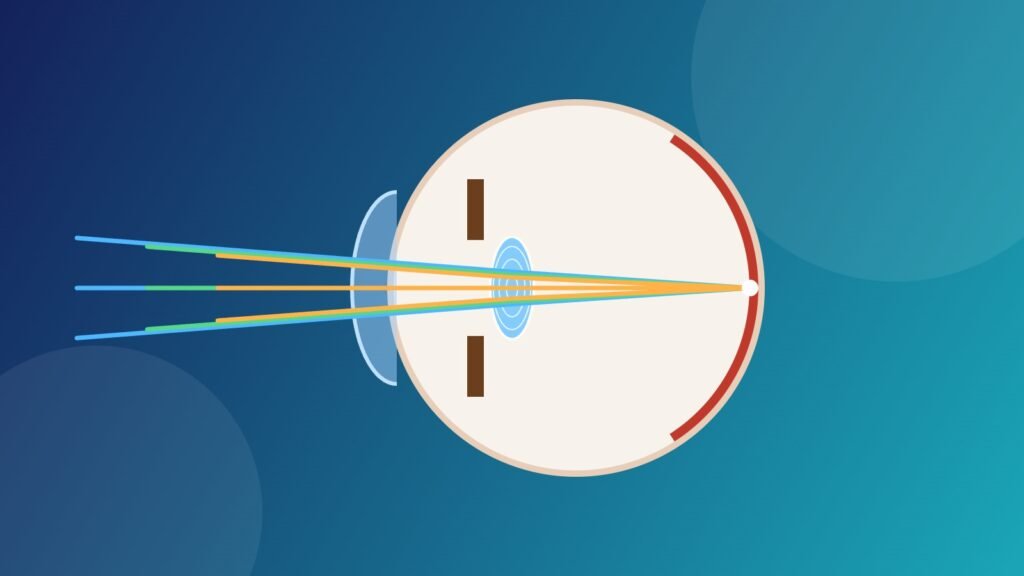
Yes. After age 40, the eye’s natural lens gradually loses flexibility—a normal age-related change called presbyopia. Standard LASIK only sharpens one focal point (usually distance), which still leaves you reaching for readers. EDOF LASIK reshapes the surface of your cornea to create an elongated, continuous channel of focus, giving you clear distance vision, comfortable computer/screen vision, and functional near reading without glasses.
Q2: I already had cataract surgery with a standard monofocal lens. Can I still get EDOF LASIK?
Yes—this is one of the best uses for EDOF LASIK. Standard monofocal intraocular lenses (IOLs) provide crisp distance vision after cataract surgery, but they leave you dependent on glasses for your phone, laptop, and menus. Instead of performing a risky second surgery inside the eye to replace your implanted lens, we can perform EDOF LASIK on the cornea as a gentle laser enhancement—effectively “upgrading” your monofocal eye to extended-range vision.
Q3: How is EDOF LASIK different from bifocal or multifocal lenses? Will I see rings or glare around headlights at night?
Multifocal lenses split incoming light into separate near and far rings, which can reduce contrast and cause halos or glare around lights while driving at night. EDOF LASIK does not split light. Instead, it uses controlled corneal wavefront shaping (such as Presbyond or PresbyMAX) to smoothly stretch your depth of focus, preserving crisp contrast and keeping nighttime glare minimal.
Q4: How do both eyes work together after EDOF LASIK? Will it feel dizzy or unbalanced?
Surgeons typically pair the extended focus profile with micro-monovision: your dominant eye is tuned for sharp distance-to-intermediate vision, while your non-dominant eye is tuned slightly toward intermediate-to-near vision. Because both eyes share an overlapping extended focal range, your brain blends the two images seamlessly—eliminating the awkward “blur gap” or depth-perception imbalance people sometimes experience with traditional monovision.
Q5: Will I never need glasses again for anything?
EDOF LASIK gives you spectacle independence for 85–90% of daily life—driving, watching TV, working on a laptop, checking your smartphone, and reading restaurant menus in normal lighting. However, for prolonged reading of tiny medicine labels or reading in very dim light, keeping a pair of light reading glasses handy is still helpful.
Q6: If I haven’t had cataract surgery yet, should I get EDOF LASIK or wait for cataract surgery with an EDOF lens?
It depends on the clarity of your natural lens:
- If your natural lens is still crystal clear (typically ages 40–55): EDOF LASIK is ideal because it lets you enjoy years of glasses-free vision without unnecessary intraocular surgery.
- If early cataracts are already clouding your lens: Waiting or opting directly for cataract surgery with an EDOF Intraocular Lens (IOL) makes more sense, because corneal laser surgery cannot prevent a developing cataract from progressing.
Q7: Is the procedure painful, and how fast is recovery?
The procedure is painless (performed under numbing eye drops) and takes about 10–15 minutes for both eyes. Most patients notice improved distance and intermediate clarity within 24 to 48 hours, while full neural adaptation—where your brain smoothly blends near and far focus—settles in over a few weeks.
Q8: How do I know if I’m a good candidate?
A detailed pre-procedure workup checks three essential factors:
- Corneal Health & Thickness: Ensuring your cornea has the right shape and adequate thickness for safe laser sculpting.
- Tear Film Stability: Checking and treating any dry eye beforehand so your vision heals smoothly.
- Retina & Lens Status: Confirming a healthy macula—and for post-cataract patients, confirming that the capsule behind your implanted lens is clear (or treating any mild haze with a quick YAG laser first).
Still tired of juggling reading glasses after 40 or after cataract surgery? Book a comprehensive corneal mapping and refractive evaluation to see if an EDOF LASIK upgrade is right for your eyes.
हिंदी संस्करण (Hindi Version): 40 की उम्र के बाद या मोतियाबिंद ऑपरेशन के बाद भी पढ़ने का चश्मा? EDOF LASIK से जुड़े आपके हर सवाल का जवाब
चाहे आपकी उम्र 40 पार हुई हो और मोबाइल के मैसेज पढ़ने के लिए फोन दूर रखना पड़ता हो, या फिर आपका मोतियाबिंद (Cataract) का ऑपरेशन साधारण मोनोफोकल लेंस के साथ हो चुका हो और आपको अब भी पास का चश्मा लगाना पड़ता हो—EDOF LASIK (Extended Depth of Focus LASIK) बिना आंखों के अंदर दोबारा चीरा लगाए, कॉर्निया पर लेज़र द्वारा किया जाने वाला एक सुरक्षित और आधुनिक समाधान है। आइए जानते हैं मरी़ों द्वारा पूछे जाने वाले सबसे आम सवालों के जवाब:
सवाल 1: मेरी उम्र 40 से ज़्यादा है और दूर की नज़र ठीक होने के बावजूद मुझे पास का चश्मा लग गया है। क्या लेज़र (LASIK) से यह ठीक हो सकता है?
हाँ, बिल्कुल। 40 की उम्र के बाद आंख का प्राकृतिक लेंस धीरे-धीरे लचीलापन खोने लगता है, जिसे प्रेसबायोपिया (Presbyopia) या चालीसा कहते हैं। सामान्य LASIK केवल एक दूरी (आमतौर पर दूर की नज़र) को साफ़ करता है। इसके विपरीत, EDOF LASIK कॉर्निया की सतह को इस तरह आकार देता है कि फोकस की एक निरंतर रेंज (Continuous Focus Channel) बन जाए—जिससे आपको दूर की साफ़ नज़र, कंप्यूटर/लैपटॉप पर आरामदायक विज़न और रोज़मर्रा की पास की पढ़ाई बिना चश्मे के मिल जाती है।
सवाल 2: मेरा मोतियाबिंद (Cataract) का ऑपरेशन साधारण मोनोफोकल लेंस (Monofocal IOL) के साथ हो चुका है। क्या मैं अब भी EDOF LASIK करवा सकता हूँ?
हाँ—यह EDOF LASIK के सबसे बेहतरीन उपयोगों में से एक है। मोनोफोकल लेंस ऑपरेशन के बाद दूर की नज़र तो साफ़ कर देते हैं, लेकिन मोबाइल, लैपटॉप और अख़बार पढ़ने के लिए चश्मे पर निर्भरता बनी रहती है। आंख के अंदर लगे लेंस को बदलने के लिए दोबारा जोखिम भरा ऑपरेशन करने के बजाय, हम कॉर्निया पर EDOF LASIK लेज़र एन्हांसमेंट कर सकते हैं—जो आपकी मोनोफोकल आंख को एक्सटेंडेड-रेंज (EDOF) विज़न में “अपग्रेड” कर देता है।
सवाल 3: EDOF LASIK बाइफोकल या मल्टीफोकल लेंस से कैसे अलग है? क्या रात में गाड़ी चलाते समय हेडलाइट्स के चारों ओर छल्ले (Halos) या चमक दिखेगी?
मल्टीफोकल लेंस रोशनी को अलग-अलग रिंग्स में बांटते हैं, जिससे रात में ड्राइविंग के समय हेडलाइट्स के चारों ओर छल्ले (Halos) या चकाचौंध (Glare) महसूस हो सकती है। EDOF LASIK रोशनी को बांटता नहीं है। यह नियंत्रित कॉर्नियल वेवफ्रंट तकनीक (जैसे Presbyond या PresbyMAX) का उपयोग करके फोकस की गहराई को सहजता से बढ़ाता है, जिससे रात में विज़न की स्पष्टता (Contrast) बनी रहती है और चमक की समस्या न्यूनतम रहती है।
सवाल 4: EDOF LASIK के बाद दोनों आंखें एक साथ कैसे काम करती हैं? क्या चक्कर या असंतुलन महसूस होगा?
डॉक्टर इस तकनीक को माइक्रो-मोनोविज़न (Micro-Monovision) के साथ जोड़ते हैं: आपकी प्रमुख आंख (Dominant Eye) को दूर से मध्यम दूरी के लिए, और दूसरी आंख को मध्यम से पास की दूरी के लिए हल्का ट्यून किया जाता है। चूंकि दोनों आंखों की फोकस रेंज आपस में मिलती (Overlap) है, इसलिए दिमाग दोनों तस्वीरों को बेहद सहजता से जोड़ लेता है—और पारंपरिक मोनोविज़न जैसा धुंधलापन या असंतुलन महसूस नहीं होता।
सवाल 5: क्या इसके बाद मुझे कभी किसी काम के लिए चश्मे की ज़रूरत नहीं पड़ेगी?
EDOF LASIK आपको रोज़मर्रा के 85–90% कामों में चश्मे से आज़ादी देता है—जैसे ड्राइविंग, टीवी देखना, लैपटॉप पर काम करना, मोबाइल चलाना और सामान्य रोशनी में मेन्यू पढ़ना। हालांकि, बहुत कम रोशनी में या दवाइयों के पैकेट पर लिखे बेहद बारीक अक्षरों को लंबे समय तक पढ़ने के लिए हल्के रीडिंग ग्लासेस पास रखना उपयोगी हो सकता है।
सवाल 6: अगर मुझे अभी मोतियाबिंद नहीं हुआ है, तो क्या मुझे EDOF LASIK करवाना चाहिए या मोतियाबिंद के साथ EDOF लेंस का इंतज़ार करना चाहिए?
यह आपके प्राकृतिक लेंस की पारदर्शिता पर निर्भर करता है:
- यदि आपका प्राकृतिक लेंस पूरी तरह साफ़ है (आमतौर पर 40–55 वर्ष की आयु): EDOF LASIK सबसे बेहतर विकल्प है, क्योंकि यह बिना किसी आंतरिक सर्जरी के आपको वर्षों तक चश्मे से मुक्त रखता है।
- यदि लेंस में शुरुआती मोतियाबिंद (Cataract) बनना शुरू हो गया है: तब EDOF इंट्राऑकुलर लेंस (IOL) के साथ मोतियाबिंद ऑपरेशन करवाना बेहतर रहता है, क्योंकि कॉर्नियल लेज़र बढ़ते हुए मोतियाबिंद को नहीं रोक सकता।
सवाल 7: क्या इस प्रक्रिया में दर्द होता है, और रिकवरी में कितना समय लगता है?
यह प्रक्रिया पूरी तरह दर्द-रहित (Painless) है, जिसे सुन्न करने वाली आई-ड्रॉप्स डालकर किया जाता है और दोनों आंखों में केवल 10–15 मिनट लगते हैं। अधिकांश मरीज़ों को 24 से 48 घंटों में दूर और मध्यम दूरी की नज़र में साफ़ सुधार दिखने लगता है, जबकि पास और दूर के फोकस का पूर्ण तालमेल कुछ हफ्तों में सहज हो जाता है।
सवाल 8: मुझे कैसे पता चलेगा कि मैं इसके लिए उपयुक्त उम्मीदवार (Candidate) हूँ?
प्रक्रिया से पहले की जाने वाली विस्तृत जांच में तीन मुख्य बातों की पुष्टि की जाती है:
- कॉर्निया की मोटाई और आकार: यह सुनिश्चित करना कि लेज़र के लिए कॉर्निया पूरी तरह स्वस्थ और पर्याप्त मोटा है।
- आंखों की नमी (Tear Film): यदि ड्राई आई (सूखापन) की समस्या है, तो पहले उसका उपचार करना ताकि रिकवरी तेज़ और सटीक हो।
- रेटिना और लेंस की स्थिति: पर्दे (Macula) के स्वस्थ होने की जांच—और जिन मरीज़ों का मोतियाबिंद ऑपरेशन हो चुका है, उनके लेंस के पीछे की झिल्ली (Posterior Capsule) के साफ़ होने की पुष्टि करना (यदि हल्की धुंध हो, तो पहले एक त्वरित YAG लेज़र से उसे साफ़ किया जाता है)।
क्या आप भी 40 की उम्र के बाद या मोतियाबिंद ऑपरेशन के बाद पास के चश्मे से परेशान हैं? अपनी आंखों के लिए EDOF LASIK अपग्रेड की संभावना जानने के लिए आज ही विस्तृत कॉर्नियल मैपिंग और रिफ्रैक्टिव जांच करवाएं।